
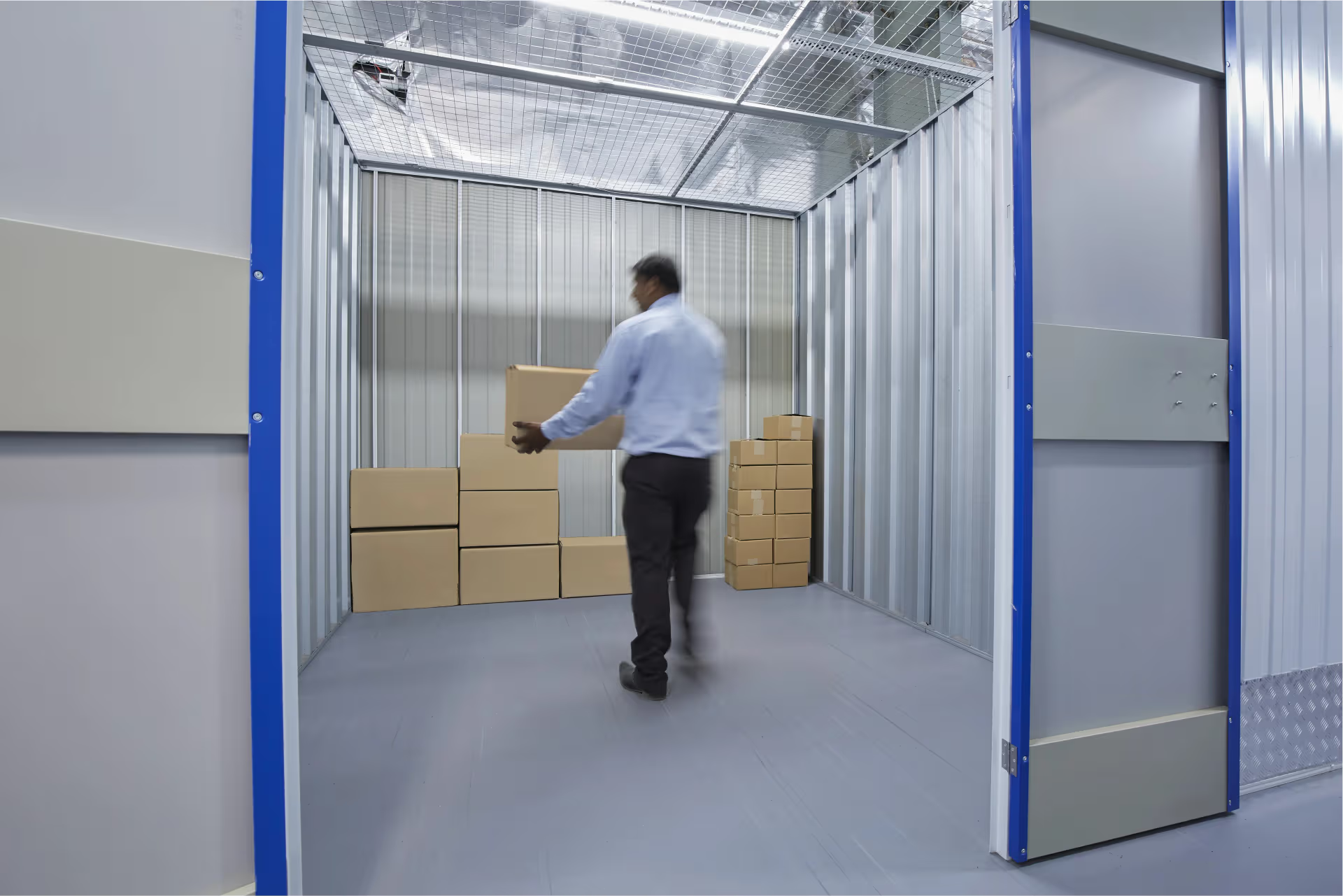
It is a common misconception that once you rent a storage unit, it becomes your private, “no-questions-asked” space. However, the reality is quite different.
Every storage unit has restrictions in place to protect what matters most: your belongings. By understanding these storage restrictions, you aren’t limiting your options instead, you’re helping to protect your belongings, ensuring facility safety, and maintaining smooth operations for everyone who uses the service.
Whether you’re considering storing furniture, business inventory, or household items, knowing what you cannot store will save you time, money, and potential headaches.
This guide offers a comprehensive overview of prohibited items, those requiring special handling, and practical alternatives tailored to your storage needs in India.
What Storage Units Are Designed For?
Modern storage units are specialized spaces designed for both short-term and long-term storage of your belongings. They are ideal for:
- Household storage and seasonal items.
- Bulky furniture storage during renovations.
- Business storage and document archives.
- Art, collectibles, and valuables.
At Space Valet, all items are handled via a professional valet service, meaning you don’t have to worry about direct unit access we get your item to you. We use Grade A quality packing and offer private lockable units to ensure your belongings remain in pristine condition.
3. Items You Cannot Store in a Storage Unit (Strictly Prohibited)
3.1 Perishable & Food Items
Fresh food, cooked meals, packaged snacks, and any consumable items are strictly prohibited in storage units. This includes frozen goods, dry pantry items, and even sealed packaged foods.
Why is it prohibited? The reasoning is straightforward. Food spoilage creates hygiene and safety concerns that can affect entire facilities.
Rotting food is a magnet for rodents and insects, which can then migrate to your furniture storage or household storage boxes, causing irreparable damage.
3.2 Flammable, Hazardous & Explosive Materials
Safety is the top priority for private lockable units. Various Storage facilities restrict the storage of petrol, diesel, gas cylinders, firecrackers, chemicals, solvents, paints, thinners, and industrial liquids.
Even small quantities of flammable materials can compromise the security of an entire facility, making your valuable furniture or business inventory storage vulnerable.
3.3 Illegal or Restricted Items
Any contraband, unauthorized goods, or items restricted under Indian law are strictly prohibited from being stored. This includes substances or materials that violate legal compliance requirements or create security obligations for the facility.
Storage providers have legal responsibilities to law enforcement and regulatory bodies. Accepting restricted items would jeopardize their operating licenses and put all customers at risk.
3.4 Living Beings
It goes without saying, but pets, birds, and even plants are prohibited. Storage units are not designed as living environments and often lack the necessary ventilation, temperature regulation, and care systems that living beings require.
Beyond the ethical concerns, storing living beings or plants can also introduce moisture and pests into your household storage.
3.5 Weapons & Ammunition
Due to legal and security reasons, firearms, ammunition, sharp weapons, and related materials are prohibited. Even licensed gun owners cannot store these items in storage units without special authorization and compliance procedures.
Additionally, explosive materials like fireworks can ignite under heat, posing a threat to the entire storage unit.
4. Items That Need Special Consideration Before Storage
4.1 Liquids & Fragile Containers
While they are not typically banned, liquids in cosmetics or cleaning fluids need caution. Leakage risks during storage or valet movement could damage your belongings. Hence, if you want to store liquids, it’s vital to submit a proper declaration and use specialized packing.
Additionally, consider whether these items truly require off-site storage or if alternative solutions would be more suitable.
4.2 Extremely Valuable or Sentimental Items
While the storage units offer highly secure and private lockable units with surveillance and restricted access, items such as cash, jewelry, and original ID documents are better kept in a bank safe or at home.
If you must store them for business storage purposes, ensure they are properly declared.
5. Common Misunderstandings About Storage Restrictions
Now that we have understood which items are part of the prohibited list, let’s dissect some common misunderstandings about storage restrictions:
- “Can I store documents safely?”
Absolutely. Document storage represents one of the most common and secure use cases. Every document box is listed in the system for easy retrieval, with options for physical delivery or electronic scanning on request.
- “Can I store furniture for the long term?”
Yes, furniture storage is one of the popular storage solutions. Whether your space is under renovation, downsizing, or you are simply decluttering, furniture receives 3-layer Grade A packing to ensure pieces come and go without a scratch. From antique pieces to modern designs, proper packing materials protect against dust and damage from handling.
- “Can I store business inventory?”
Yes. E-commerce businesses and small manufacturers or distributors can use storage units for inventory tracking, fulfillment services, order processing support, and scalable solutions. Your seasonal products or bulk shipments receive professional handling with no lock-in period requirements.
6. Why These Restrictions Protect Your Goods
Storage restrictions create a foundation for safety and security that protects everyone’s belongings. By following these rules, you help maintain a clean, pest-free environment.
Additionally, the valet pickup and drop service goes smoothly only if they know what’s in the storage. Professional teams can efficiently manage furniture, boxes, and inventory because they have received the training for these specific items.
That said, in addition to these restrictions, various facilities like Space Valet’s feature:
- CCTV surveillance for maximum security.
- Biometric access control at a facility level to prevent unauthorized entry.
- Routine check/monitoring to ensure the integrity of your storage.
7. What You Can Store Instead? (Reassurance Section)
Don’t let the restrictions discourage you! You can store almost all everyday belongings in our storage units, including:
- Household storage items, such as clothes and appliances.
- Seasonal decorations, such as garlands, a Christmas tree, lights, and diyas.
- Furniture storage for beds, sofas, and dining sets.
- Excess belongings during renovations, moves, or space optimization projects
- Art, valuables, and collectibles, such as family heirlooms and paintings.
- Document storage spanning personal records to business archives.
- Business inventory, whether e-commerce stock or manufacturing supplies.
Our storage solutions include private, lockable units in various sizes, durable boxes for organizing smaller items, and flexible arrangements for larger storage needs.
The no-lock-in-period and monthly billing adapt to changing circumstances, whether you need short-term storage during renovations or long-term solutions for excess inventory.
Our professional valet service handles the heavy lifting, providing a seamless pickup and drop-off experience.
8. Pre-Storage Checklist
Before booking your valet service pickup, take five minutes to prepare and follow these steps:
- Remove any food items and liquids that might leak or spoil.
- Check thoroughly for restricted items, such as flammable materials, hazardous substances, or any items listed as prohibited.
- Separate documents from household goods to enable proper cataloging and future retrieval.
- Inform the valet team about fragile or valuable items requiring special handling this includes delicate pieces that need careful packing.
- Plan your storage duration clearly. This helps determine the most suitable storage solution and ensures you understand the billing structure.
9.Frequently Asked Questions
- What items are not allowed in storage units?
A: Prohibited items include food, hazardous chemicals (paints, fuels), explosives (ammunition, fireworks), illegal goods, and living creatures like pets or plants. These rules protect your household and business storage from pests and fire.
- Can food be stored in a storage unit?
A: No, food and perishables are strictly banned. They attract pests and emit odors that can damage your storage and impact neighboring private, lockable units.
- Is furniture allowed in long-term storage?
Yes, furniture storage is perfectly safe for long-term use. We recommend using our valet service and 3-layer packaging to protect your belongings during storage.
- Can I store valuable items in storage units?
Yes, valuable items such as art, collectibles, and business inventory are suitable for storage. These items receive professional handling through valet service and Grade A packing, accompanied by 24/7 security surveillance and biometric access controls.
- What happens if I accidentally store a prohibited item?
If prohibited items are discovered, the facility will contact you for immediate removal. Being transparent during intake prevents complications and ensures smooth storage operations.
10. Final Thoughts
It is essential to comprehend that storage units are designed for secure, organized, and responsible storage, protecting your belongings while respecting facility operations and the needs of other customers.
Understanding storage limitations and reviewing a complete guide to storage units is the first step toward a stress-free storage experience. It helps you identify what cannot be stored, avoid delays during pickup, protect your belongings, and ensure a smooth process from start to finish.
Store Secure. Store Smart. Store with Space Valet.